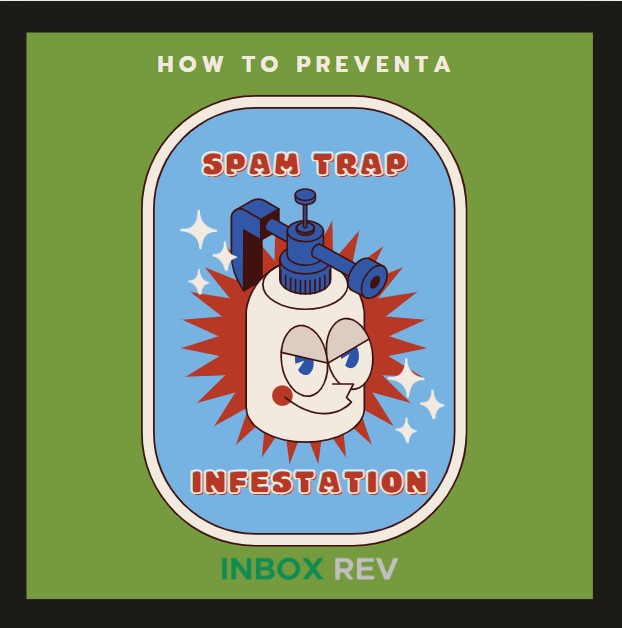
Spam traps can quietly ruin your email marketing efforts without you even realizing it. They sit unnoticed in your email list, waiting to damage your sender reputation, lower your deliverability rates, and hurt your overall campaign performance. But here’s the good news: spam traps are completely avoidable if you know what to look for. In this post, we’ll explain what spam traps are, why they matter, and how to steer clear of them. Plus, we’ll highlight one sneaky troublemaker that often gets overlooked: typo spam traps.
Spam traps are email addresses created by ISPs (like Gmail or Yahoo) or anti-spam organizations to catch senders who aren’t following best practices. Pristine spam traps are email addresses that have never been used by a real person. They’re designed to catch spammers who scrape or buy email lists. If you hit one, it’s a clear sign that your list-building practices need work. Recycled spam traps are old, abandoned email addresses that ISPs repurpose as traps. If you’re emailing one, it means you’re not keeping your list clean and up-to-date.
But there’s a third type that often flies under the radar: typo spam traps. These are email addresses with intentional typos, like “gmial.com” or “yahooo.com.” They’re designed to catch senders who don’t validate their lists. Typo spam traps are especially sneaky because they can slip into your list through simple human error, like a subscriber mistyping an email address during sign-up. If you’re not using an email validation tool to catch these errors, you could be setting yourself up for trouble.
Spam traps might seem like a minor issue, but they can have major consequences for your email marketing. Hitting a spam trap can damage your sender reputation. ISPs use spam traps to gauge your trustworthiness, so sending to them is a red flag that you’re not following best practices. A damaged reputation makes it harder for your emails to reach inboxes. Repeatedly hitting spam traps can get you blacklisted, where emails are blocked entirely by ISPs. Once you’re on a blacklist, it can be a long and frustrating process to get removed.
The key to avoiding spam traps is good list hygiene and smart email practices. Here are a few tips to keep your list clean and your campaigns effective:
First and foremost, don’t buy or rent email lists. Purchased lists are a minefield of spam traps, fake addresses, and unengaged subscribers. They increase your risk of hitting traps and hurt engagement because people on those lists didn’t opt in. Building your list organically is the only way to go.
Next, use double opt-in. After someone subscribes, they receive a confirmation email asking them to verify their address. This simple step weeds out fake or mistyped addresses before they become a problem.
Clean your list regularly. Email lists decay over time as people change jobs, abandon old accounts, or lose interest. Use an email verification tool to scrub invalid, inactive, or risky addresses.
Don’t forget typo spam traps. Use an email validation tool that checks for typos and syntax errors. It’s a simple step that can save you a lot of headaches.
Monitor your engagement metrics. Keep an eye on open, click-through, and bounce rates. A sudden drop in engagement or a spike in bounces could be a sign that spam traps are lurking in your list. Remove inactive subscribers who haven’t engaged in 6–12 months, using this as a best-practice guideline and creating metrics that make sense for your company.
Segment your list. Not all subscribers are created equal. Segment based on engagement levels and tailor campaigns accordingly. Send re-engagement campaigns to inactive subscribers before removing them entirely. This helps maintain a healthy list while giving people a chance to re-engage.
Finally, stay compliant. Follow email marketing laws like the CAN-SPAM Act in the U.S. and GDPR in the EU. Include a clear unsubscribe link in every email and honor opt-out requests promptly.
If you’ve already hit a spam trap, don’t panic. First, identify the source: a purchased list, an old unengaged subscriber, or a typo. Next, clean your list using an email verification tool. Then reevaluate your practices and adjust them as needed. If you’ve been blacklisted, reach out to the ISP or blacklist operator to explain the situation and request removal. Be honest and show that you’ve taken steps to fix the problem.
Spam traps might be sneaky, but they’re not invincible. By keeping your email list clean, following best practices, and staying on top of engagement, you can protect your sender reputation and make sure your emails land where they belong: in your subscribers’ inboxes. And don’t forget typo spam traps. These little gremlins can slip through the cracks if you’re not careful, so use an email validation tool to catch them before they cause trouble.
At the end of the day, email marketing is all about building relationships. Just like any relationship, it requires care, attention, and a little bit of housekeeping. So roll up your sleeves, clean up those sending lists, and keep those spam traps at bay. Your inbox (and your subscribers) will thank you.